Environment Action Month 2026
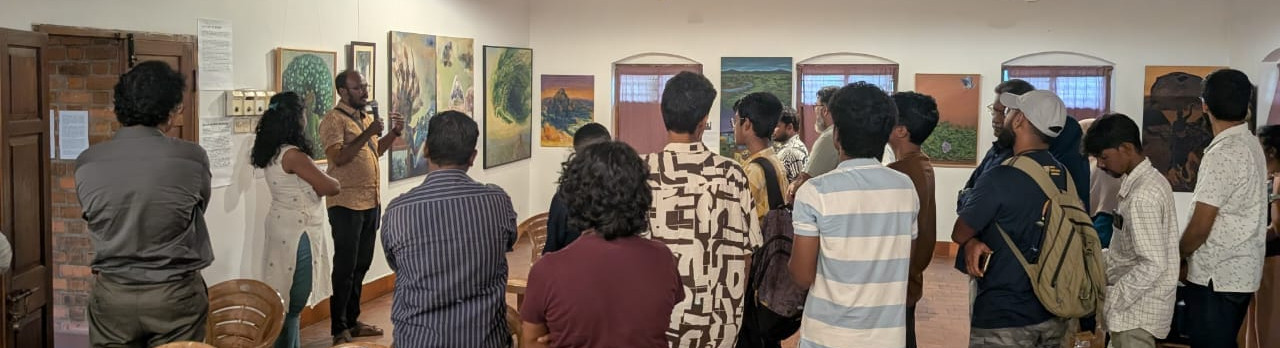
Aram Thinai and DakshinaChitra collaboratively observed the month of June as Environment Action Month, creating a platform for eco-enthusiasts to explore the deep interconnections between environment and culture. The initiative brought together diverse voices through a series of exhibitions, interactive sessions, and workshops, encouraging participants to engage with environmental concerns not just from a scientific or policy perspective, but through the lens of lived experiences and traditional knowledge. The events aimed to inspire awareness, reflection, and sustainable action rooted in cultural context.
June 5, observed globally as World Environment Day, often emphasizes pressing concerns such as climate change, carbon emissions, and ecological degradation. While these global narratives are vital, the Indian context offers a unique perspective where nature is not a separate entity but is woven into daily life, traditions, and livelihoods. Environment Action Month served as a reminder of this intrinsic relationship, offering a meaningful opportunity for communities to reconnect with traditional practices and ecological wisdom that have long supported harmonious living with nature.
Calendar of Events:
Sl No: | Event Date | Name of Event | Duration | Facilitator |
1 | 06/06/26 | Exhibition titled Namma Chennai: Reimagining our neighbourhoods | 1 month | By students of Sunnyside Learning |
2 | 06/06/26 | Art Exhibition on Local ecologies and Local histories of Adambakkam | 1 month | By Benisha, Aram Thinai |
3 | 06/06/26 | Art Exhibition on Ecology and Communities | 1 month | Curated by Natarajan Gangadharan |
4 | 06/06/26 | Thinai Talks- Panel Discussion | 1 hour | - |
5 | 21/06/26 | Nature Walk in Pallikaranai Marshland | 1 hour | By Aswathi Asokan |
6 | 21/06/26 | Cyanotype Workshop | 2 hours | By Sabaritha |
7 | 04/07/26 | Last Drop- Community Museum | 6 hours | By students of Chirpi Global School |
Detailed Event Report:
Namma Chennai Reimaging our Neighbourhoods
Namma Chennai, Reimagining our Neighbourhoods presents the outcomes of the Localised Climate Resilience learning module undertaken by students of Sunnyside Learning School. Rooted in a place-based approach to education, the initiative encourages learners to understand climate change not as a distant global phenomenon but as a reality that is experienced within the neighbourhoods they inhabit. Through exploring their local environment, students examined how challenges such as flooding, heat stress, water scarcity, waste management, and environmental degradation intersect with everyday life and affect different communities in different ways. Their projects reflect observations, inquiries, and reflections on the ecological and social realities of their surroundings, with a particular focus on Palavakkam.
Art Exhibition on Local ecologies and Local histories of Adambakkam

Local Histories and Local Ecologies explores the intertwined stories of landscape, memory, and community in the Adambakkam–Nanganallur region. Once shaped by an extensive network of lakes, wetlands, agricultural lands, and village settlements, these neighbourhoods evolved through intimate relationships with water and the seasonal rhythms of the landscape. Drawing from archival materials, oral histories, community memories, and ecological narratives, this section traces how local identities emerged through everyday interactions with these ecosystems and how these landscapes continue to influence the character of the region despite rapid urban transformation.
Art Exhibition on Ecology and Communities:

The exhibition features artworks by contemporary artists, curated by Natarajan, that explore the dynamic relationships between communities, ecologies, and landscapes. Through diverse visual languages and artistic approaches, these works engage with themes of environmental change, memory, livelihood, displacement, belonging, and resistance. Together, they offer reflections on how people continue to negotiate, adapt to, and reimagine their relationships with the natural world amid rapid urbanisation and climate uncertainty.
Panel Discussion: Thinai Talks

Thinai Talks: A Conversation on the Climate Resilience of Chennai seeks to bring together voices from landscapes that continue to shape the city's ecological future. Drawing inspiration from the concept of Thinai—which recognises the intimate relationship between land, livelihood, culture, and identity—the discussion aims to explore how communities living within and alongside Chennai's ecological regions experience environmental change and contribute to climate resilience.
The panel will feature practitioners and community leaders whose lives and work are rooted in distinct yet interconnected landscapes:
Linga from Kattur, Thiruvallur: An organic farmer from Kattur, Thiruvallur district, representing communities that have traditionally cultivated poromboke lands situated between backwaters, salt pans, and agricultural fields, navigating changing hydrological and land-use dynamics.
Narayanan from Kovalam Kuppam: A fisherman and community activist from Kovalam Kuppam, who has been actively engaged in campaigns concerning coastal livelihoods, fisheries, and the ecological implications of large-scale infrastructure projects such as the proposed Mamallapuram Reservoir.
Ravi from Sembakkam: A wetland enthusiast and citizen advocate from Sembakkam, whose work highlights the transformation of urban lakes and wetlands, documenting issues of encroachment, sewage inflow, flooding, and community stewardship of water bodies.
Nature walk and Cyanotype workshop
A nature walk and cyanotype workshop was conducted at Pallikaranai Eco Park, combining ecological exploration with creative expression. The nature walk was led by Aswathi Asokan, Naturalist, who introduced participants to the wetland’s diverse flora and encouraged them to closely observe the natural landscape. Following the walk, participants collected leaves and flowers found along the way, which became the subjects for the cyanotype workshop facilitated by Sabaritha, Artist. Through this hands-on process, participants transformed their observations and collected natural elements into cyanotype prints, creating a visual record of their experience of Pallikaranai’s biodiversity.
Last Drop: Community Museum of Adambakkam and Nanganallur
The Community Museum project emerged from the belief that education can become more meaningful when rooted in the landscapes that students inhabit. Conceived and facilitated by Aram Thinai in partnership with Chirpi Global School, the project adopted a place-based approach to help students understand the ecological and social histories of their own neighbourhoods.
Situated within the Pallikaranai watershed, the landscapes of Nanganallur and Adambakkam were once part of an intricate network of lakes, marshes, agricultural fields, and drainage channels. Rapid urbanisation has transformed these landscapes, resulting in the disappearance of water bodies, fragmentation of ecological systems, and increasing vulnerabilities to flooding. Against this backdrop, the project sought to reconnect students with their immediate environment and encourage them to view familiar spaces through ecological and historical lenses.
More than an exhibition, the Community Museum became a process of reclaiming memory and fostering ecological citizenship. By bringing together scientific understanding, oral histories, artistic practice, and community knowledge, the project demonstrated how young people can become active interpreters and custodians of the landscapes they call home. Through this process, Aram Thinai and the students of Chirpi Global School collectively created an archive that celebrates the intertwined histories of wetlands, communities, and urban transformation in South Chennai.


